
High Voltage Direct Current Transmission Market

HVDC is evolving from a transmission technology into a strategic grid asset reshaping where renewable power can flow, who can access it and who controls the corridor.
Wilmington, DE, United States, Sept. 09, 2026 (GLOBE NEWSWIRE) — HVDC Infrastructure Emerging as one of the most Strategically Controlled Layers of the Energy Transition
Power transmission has quietly become one of the most strategically contested layers of the global energy transition. The build-out of offshore wind, intercontinental grid links, and renewable corridors has moved the high voltage direct current transmission market from a specialist engineering domain into the center of national infrastructure agendas, and a meaningful share of planning teams have not yet adjusted their capital frameworks to reflect what that shift implies.
What looks externally like a slow-moving utility segment is, structurally, a market where converter station capacity, cable manufacturing slots, and skilled engineering hours are being claimed years in advance. Organizations treating HVDC as a procurement decision are now competing against organizations treating it as a strategic asset, and the high voltage direct current transmission market is rewarding the latter posture with measurably better project economics.
Request a Free Sample Report: https://marketmindsadvisory.com/request-sample/?report_id=14
Key Takeaways from High Voltage Direct Current Transmission Market
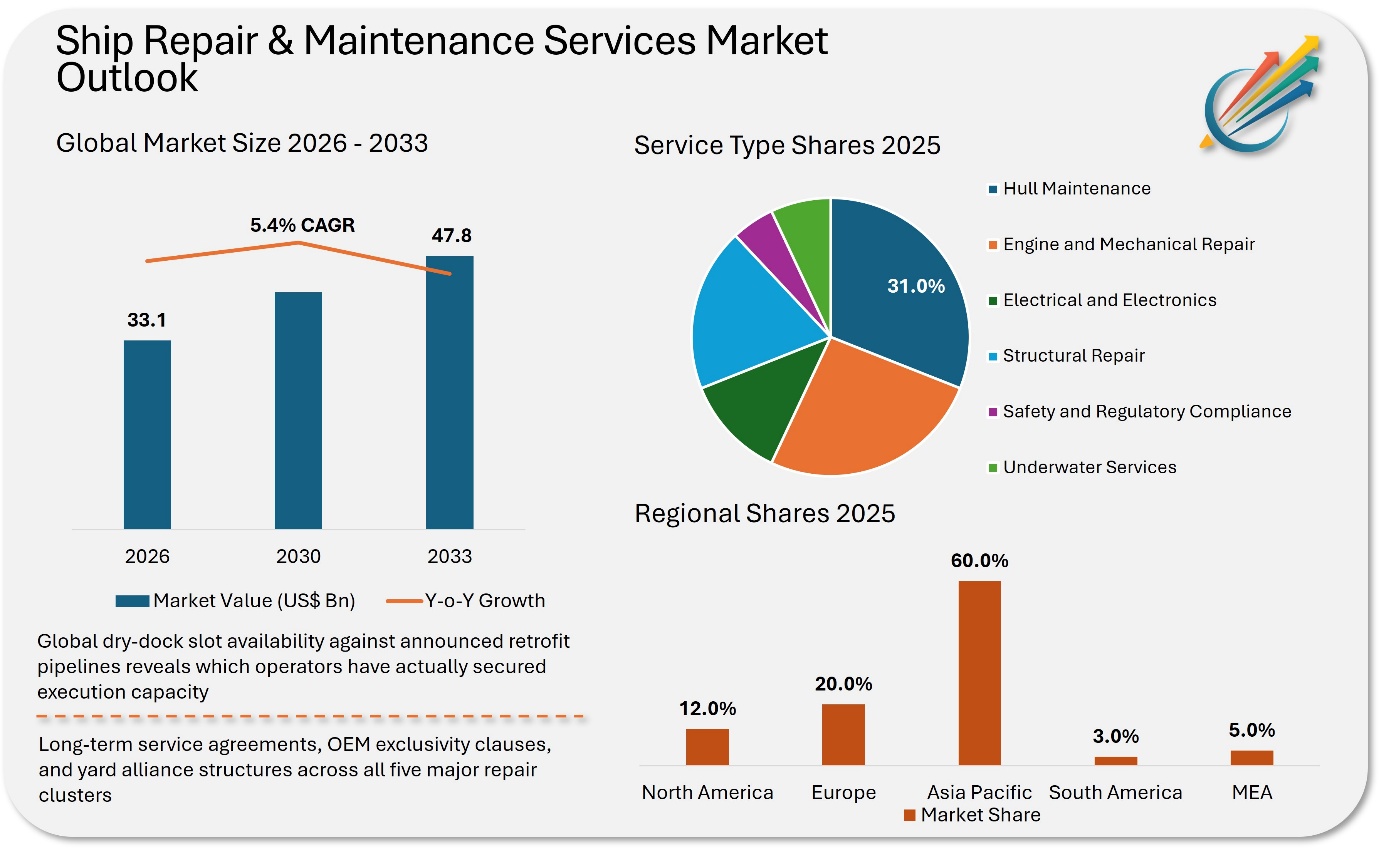
- High voltage direct current transmission market value projected at US$ 14.6 billion in 2026, reflecting accelerating commitments across utilities and offshore wind developers and is forecast to reach US$ 21.7 billion by 2033, expanding at a CAGR of 5.8%
- Cable manufacturing capacity has become the binding constraint, not converter technology or financing
- Voltage Source Converter technology is taking decisive share from Line Commutated Converter in newbuild projects
- Submarine HVDC corridors are emerging as the defining infrastructure layer for the high voltage direct current transmission market
- Multi-terminal HVDC systems are shifting from pilot status to commercial baseline in European and Chinese planning
- Order backlogs at the top three OEMs now extend beyond the end of the decade, narrowing the window for new project commitments
As per Lead Analyst from Market Minds Advisory, “The directional conclusion is that HVDC has stopped being a niche transmission option and started behaving like critical national infrastructure with constrained supply. Utilities and developers that secure manufacturing slots and engineering capacity within the next 18 months will define the cost curve for grid investments through the next decade.”
Developers Securing Cable and Converter Capacity Early are Locking in Long-Term Advantage
The high voltage direct current transmission market has reached the stage where supply chain access matters more than project announcement volume. Utilities that move now will price differently from those that arrive in 2028.
- Manufacturing capacity is reserved years out: Converter station and HVDC cable production slots at tier-one suppliers are largely booked through 2029. Projects without secured supply commitments are effectively unfunded, regardless of their financing status.
- Workforce depth is the silent constraint: The pool of HVDC project engineers, commissioning specialists, and offshore installation crews is small. Companies that lock in talent partnerships now will execute on schedule while peers slip.
- Regulatory windows are narrowing: Permitting cycles for cross-border and offshore HVDC corridors are becoming more competitive. The high voltage direct current transmission market increasingly rewards developers with prepared regulatory dossiers, not those still scoping routes.
The Economics of Grid Expansion Shifting Towards Flexible Converter Architectures
The most consequential change in the market is technological, not commercial. Voltage Source Converter platforms have moved from premium option to baseline specification across new procurement in high voltage direct current transmission market.
- VSC enables multi-terminal architectures: Unlike LCC, VSC supports flexible power flow control and multi-point grid connections, which is foundational for offshore wind clusters and meshed HVDC networks now being planned in the North Sea and East Asia.
- Footprint and grid-forming capability are reshaping siting economics: VSC converter stations occupy materially less land and provide black-start capability, which improves siting flexibility near load centers and reduces the regulatory friction that has historically delayed urban grid reinforcement.
- Hybrid converter designs are quietly winning long-corridor projects: For point-to-point bulk transmission above 2,000 MW, hybrid LCC-VSC topologies are emerging as the cost-optimized answer, combining the loss profile of LCC with the controllability advantages of VSC.
Most Transmission Planning Models still Underestimate the Speed of Structural Change
A meaningful share of announced offshore wind HVDC connections will slip past their committed commissioning dates. Cable manufacturing capacity and installation vessel availability are not scaling fast enough to meet announced pipelines through 2030, and the gap is being underestimated in current planning models.
Chinese HVDC technology providers will capture material share in Middle Eastern, African, and Latin American corridor projects within the assessment window. Consensus still treats this market as a European and Japanese stronghold, but pricing competitiveness and proven ultra-high voltage references are reshaping procurement decisions in cost-sensitive geographies.
Multi-terminal HVDC networks will become the default planning unit for offshore wind, replacing the point-to-point project model. The economic and operational case for meshed grids is now strong enough that regulators in the EU and UK are restructuring tendering frameworks around it, accelerating adoption beyond current forecasts in the high voltage direct current transmission market.
Renewable Integration, Grid Sovereignty and Cable Constraints Reshaping the HVDC Ecosystem
Renewable integration as the dominant demand driver
Offshore wind expansion and large-scale solar corridors are creating transmission requirements that AC infrastructure cannot economically serve. The high voltage direct current transmission market is structurally tied to renewable capacity expansion, with each gigawatt of offshore wind in deep water effectively requiring HVDC connection. This mechanical link is producing a demand curve that tracks renewable build-out, decoupled from broader electricity consumption growth.
Grid interconnection as a sovereignty question
Cross-border HVDC links are increasingly framed as strategic infrastructure rather than commercial assets. European interconnectors, Indian regional links, and Southeast Asian power pool initiatives are advancing on policy timelines, not market timelines. Governments are underwriting projects that pure commercial logic would defer, shifting risk allocation in favor of developers with strong policy relationships and execution credibility.
Submarine cable manufacturing as the chokepoint
Subsea HVDC cable production is concentrated in a handful of facilities globally. Expansion announcements are real but lead times stretch to four years for new plants. This creates a structural advantage for developers with framework agreements at established manufacturers, and a structural disadvantage for late entrants regardless of project quality.
Digitalization of converter station operations
Asset performance management, predictive maintenance, and integrated grid services are becoming standard expectations for HVDC platforms. Suppliers offering digital-native converter stations are commanding premium positioning, particularly in tenders where lifecycle cost rather than capex is the evaluation basis.
Execution Bottlenecks and Supply Constraints Could Reshape Global Deployment Timelines
- Supply chain concentration: Cable and converter production is concentrated in fewer than ten global suppliers, creating systemic delivery risk if any major facility experiences disruption.
- Permitting timelines: Submarine and cross-border routes face multi-jurisdictional approvals that can extend project schedules by three to five years.
- Financing complexity: HVDC projects require long-tenor capital and bespoke risk allocation, which limits the pool of qualified financiers and slows non-investment-grade markets.
- Skilled labor scarcity: Specialist commissioning engineers and offshore installation crews are scarce, and bottlenecks could compound as parallel projects move into construction.
- Technology standardization gaps: Multi-vendor interoperability for VSC systems remains imperfect, which complicates meshed grid expansion and creates lock-in risk for early adopters.
- Geopolitical exposure: Equipment dependencies across major suppliers cut across trade-sensitive corridors, raising the prospect of policy interventions that disrupt procurement.
These risks are material but do not change the directional conclusion. They alter timing and competitive positioning rather than the underlying demand trajectory.
Market Dynamics Shaping the High Voltage Direct Current Transmission Market
High Voltage Direct Current Transmission Market Segmentation
By Project Type
- Point-to-Point HVDC System
- Back-to-Back HVDC System
- Multi-Terminal HVDC System
- Embedded HVDC System
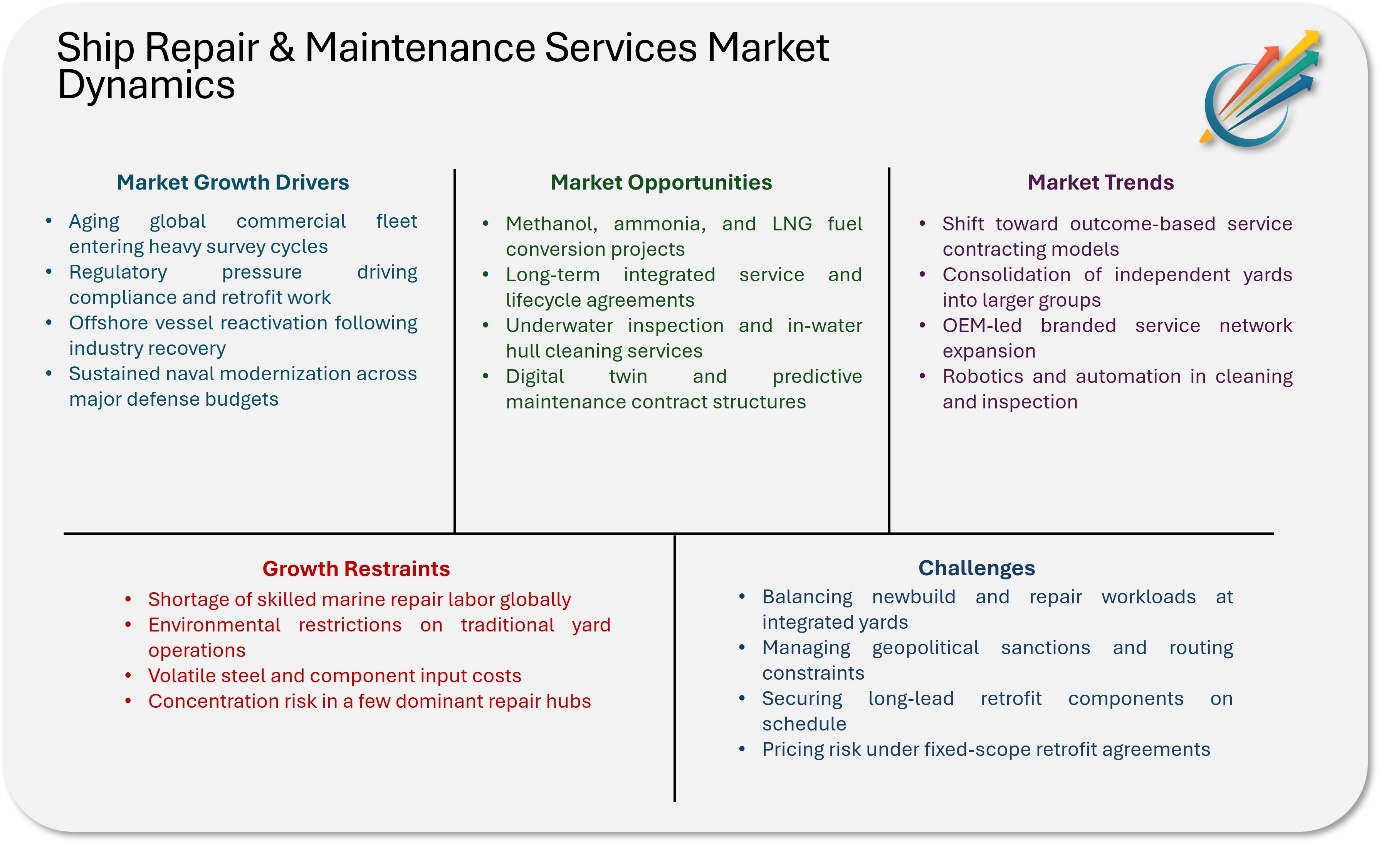
Point-to-point systems remain the volume backbone, particularly for bulk evacuation from large generation hubs. Back-to-back installations are concentrated at grid frequency boundaries and asynchronous interconnections. Multi-terminal architectures are the strategic growth segment, driven by offshore wind clustering, while embedded systems are gaining traction within densely loaded urban grids where the high voltage direct current transmission market intersects with congestion management.
By Technology Type
- Line Commutated Converter
- Voltage Source Converter
- Capacitor Commutated Converter
- Hybrid Converter
LCC retains relevance for ultra-high power bulk transmission where loss minimization dominates. VSC has decisively captured offshore wind, urban infill, and any application requiring grid-forming capability in the high voltage direct current transmission market. Capacitor commutated converters serve a narrow but valuable niche in weak AC grid interfaces. Hybrid designs are the emerging answer for long bulk corridors that need both efficiency and controllability.
By Deployment Type
- Overhead Transmission System
- Submarine Transmission System
- Underground Transmission System
- Mixed Transmission System
Overhead remains the lowest-cost option where right-of-way is available. Submarine deployment is the fastest-growing category in high voltage direct current transmission market, anchored by offshore wind and intercontinental interconnections. Underground HVDC is becoming the default for urban reinforcement and politically sensitive routes. Mixed deployments are increasingly standard for corridors crossing varied terrain, with project economics now optimized at the segment level rather than the corridor level.
By Power Rating
- Upto 500 MW
- 500 MW to 1,000 MW
- 1,000 MW to 2,000 MW
- 2,000 MW to 5,000 MW
- Above 5,000 MW
Lower rating bands dominate embedded urban and offshore wind cluster applications in the high voltage direct current transmission market. The 1,000 to 2,000 MW band has become the workhorse for new submarine interconnectors. The 2,000 to 5,000 MW segment is expanding alongside large offshore wind zones and renewable evacuation corridors, while above-5,000 MW projects remain concentrated in China and India for ultra-long-distance bulk transmission.
By Application
- Bulk Power Transmission
- Long Distance Power Transmission
- Grid Interconnection
- Renewable Energy Integration
- Offshore Wind Transmission
- Urban Power Supply
- Others
Renewable energy integration and offshore wind transmission collectively represent the highest-growth applications in the high voltage direct current transmission market. Grid interconnection is policy-driven and structurally stable. Bulk and long-distance transmission remain anchor demand. Urban power supply via embedded HVDC is the most underestimated category and is moving from pilot to standard practice.
By End User
- Utilities
- Renewable Energy Developers
- Industrial Sector
- Offshore Energy Sector
- Government and Grid Operators
- Others
Utilities and grid operators remain the dominant procurement entities. Renewable energy developers are emerging as direct buyers for dedicated evacuation infrastructure. The offshore energy sector is consolidating its position as a strategic counterparty, while industrial buyers are increasingly entering the high voltage direct current transmission market for captive long-haul supply arrangements.
Shape this report around your priorities: https://marketmindsadvisory.com/request-customization/?report_id=14
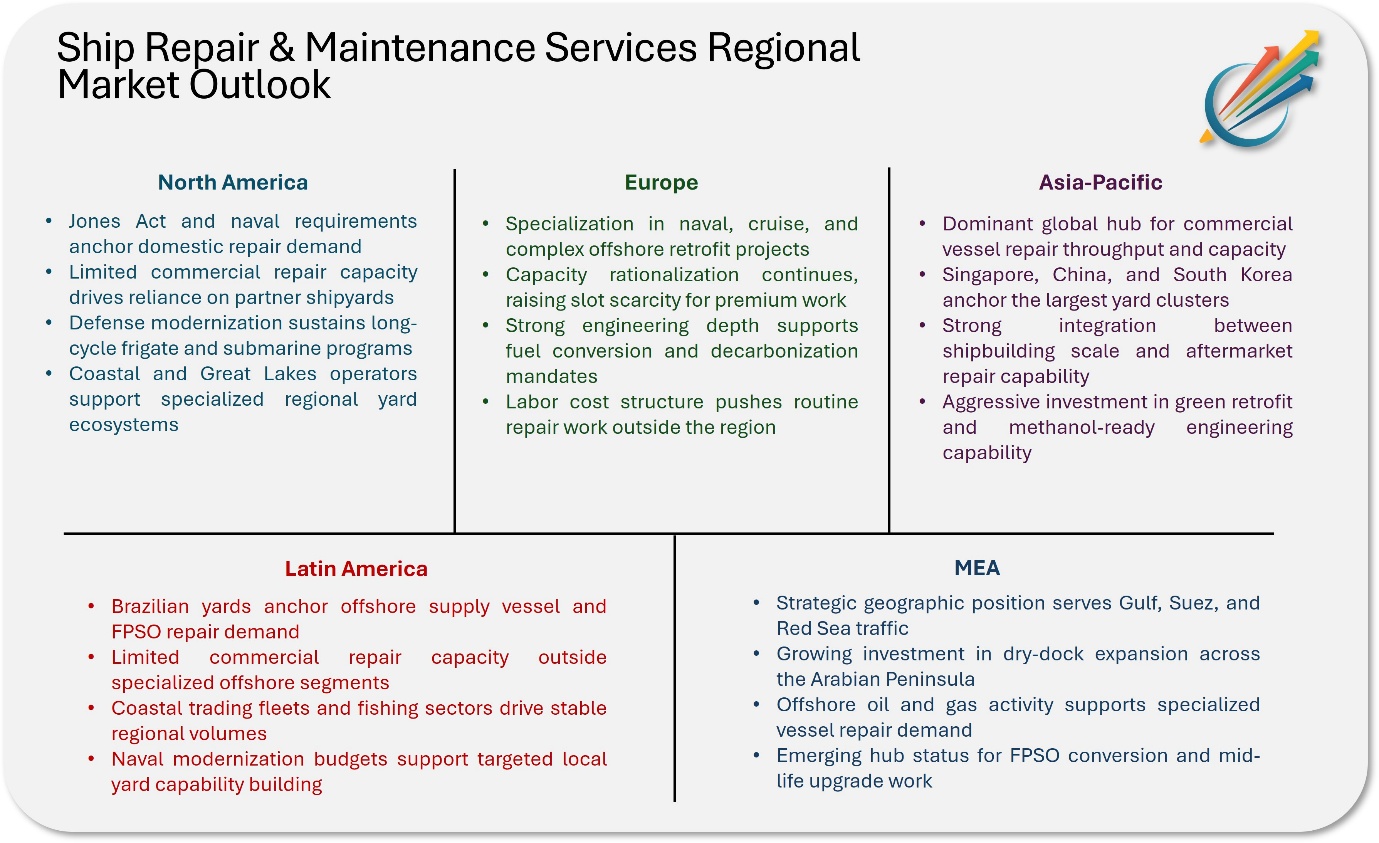
Regional Market Outlook
Investment Focus where the Lucrative Opportunity is Expected in Coming Years
HVDC cable manufacturing capacity
Subsea and underground cable production is the single most constrained layer in the value chain. Investments expanding qualified manufacturing capacity, particularly for 525 kV and above, command pricing power and multi-year backlog visibility. The high voltage direct current transmission market rewards capital deployed here with the most defensible economics.
Converter station digitalization platforms
Software and digital service layers attached to converter stations are emerging as a high-margin opportunity adjacent to hardware revenue. Asset performance management, grid services, and lifecycle optimization offerings are increasingly decisive in competitive tenders and offer compounding advantages for incumbents with installed base access.
Specialist installation and commissioning services
Offshore installation vessels, qualified commissioning teams, and integrated EPC capability are bottlenecks across every region. Service businesses that lock in long-term partnerships with utilities and developers will capture disproportionate value, particularly in submarine deployment where vessel availability is the binding constraint.
Multi-terminal system integration capability
The shift toward meshed HVDC networks creates demand for vendors that can deliver integrated multi-vendor solutions. System integration capability, protection coordination expertise, and cross-platform engineering services represent a strategically advantaged position in the high voltage direct current transmission market over the next decade.
What This Means for Decision-Makers
Utilities and Grid Operators – Procurement frameworks built on annual tendering cycles are now structurally disadvantaged. Multi-year framework agreements with HVDC suppliers, cable manufacturers, and installation contractors are becoming the operating norm, and utilities that have not restructured procurement to match this reality are paying a measurable premium.
Renewable Energy Developers – Project economics in offshore wind and remote renewable zones are increasingly determined by transmission access rather than generation cost. Developers that integrate HVDC planning into early project design, rather than treating it as a downstream procurement step, will secure better connection terms in the high voltage direct current transmission market.
Investors – The investment case has matured beyond pure equipment manufacturing. Cable capacity, installation services, system integration, and digital platforms attached to converter stations now offer attractive risk-adjusted positions with clearer demand visibility than broader power equipment exposure.
Policymakers and Regulators – Permitting reform, anticipatory investment frameworks, and standardized multi-vendor protocols are the highest-leverage interventions available. The high voltage direct current transmission market will deliver against national infrastructure targets only where regulatory clarity moves faster than today’s average cycles.
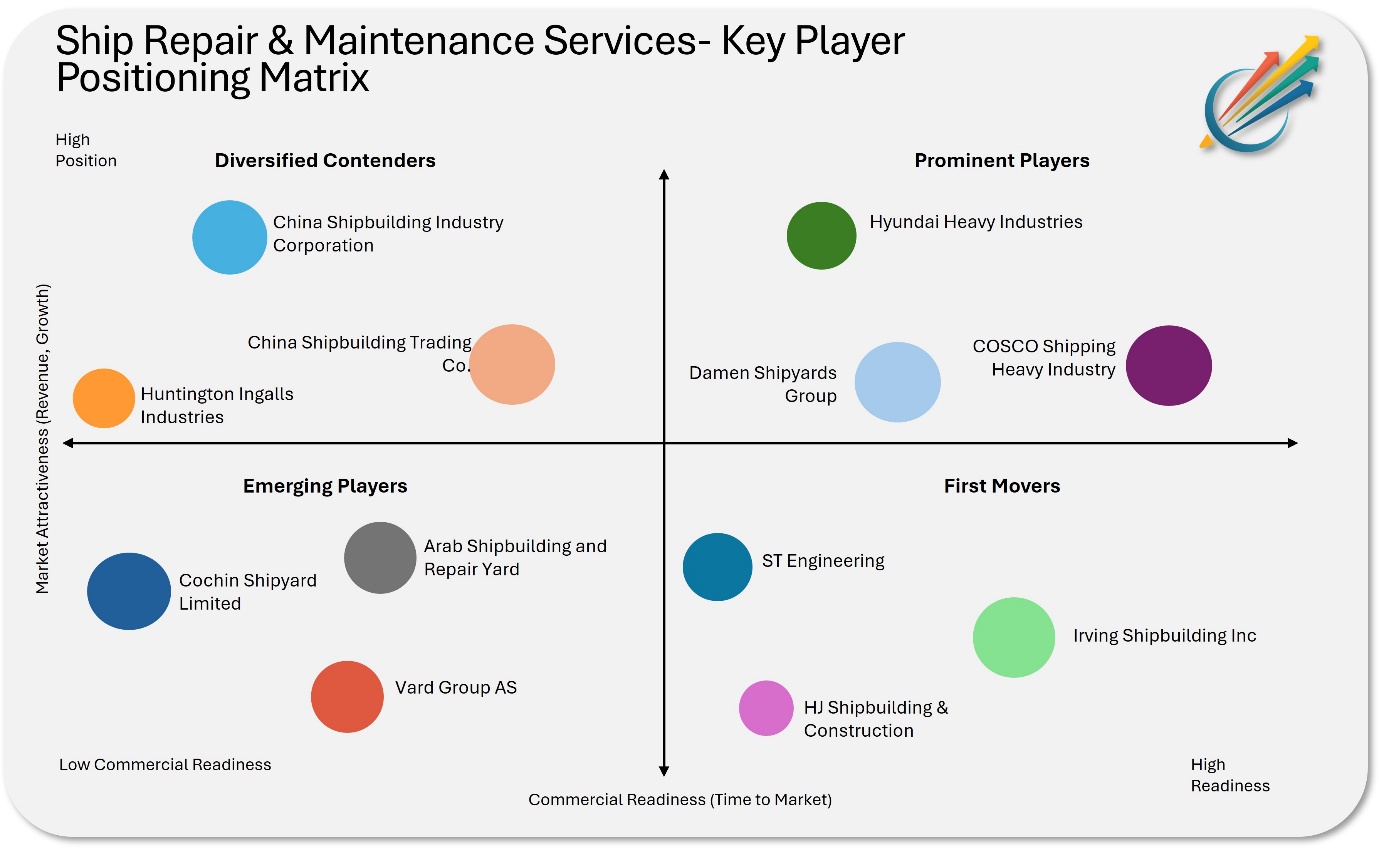
Competitive Landscape: High Voltage Direct Current Transmission Market
Recent Market Developments
- In April 2026, Hitachi Energy expanded its HVDC converter transformer production capacity at its primary European manufacturing site to address rising tender activity from offshore wind and grid interconnection projects.
- In February 2026, Prysmian Group commissioned additional submarine cable manufacturing capability to support a growing backlog of North Sea offshore transmission orders.
- In December 2025, Siemens Energy strengthened its multi-terminal HVDC engineering capabilities through expanded partnerships with European transmission system operators advancing meshed offshore grids.
- In November 2025, State Grid Corporation of China advanced a new ultra-high voltage HVDC corridor project to evacuate renewable generation from western provinces to eastern load centers.
Market is segmented by Project Type (Point-to-Point, Back-to-Back, Multi-Terminal), Technology Type (Line Commutated Converter, Voltage Source Converter, Capacitor Commutated Converter), Deployment Type (Overhead, Submarine, Underground, Mixed), and Power Rating (Upto 500 MW, 500-1,000, 1,000-2,000, Above 5,000 MW)
Get Access to complete Analysis, Buy Now: https://marketmindsadvisory.com/buy-now/?report_id=14
Trending Reports
- THHN Solar Cable Market
- Three Phase Green Power Transformer Market
- Thin Film Solar PV Backsheet Market
- Traction Battery Market
- Transmission Substation Market
- Triac Dimming System Market
- Transport Fuel Cell Market
- Transportation Biofuel Market
- Two Winding Air Insulated Transformer Market
- Type 3 Surge Protection Device Market
Why choose Market Minds Advisory
Market Minds Advisory delivers decision-grade intelligence to executives across machinery, packaging, chemicals, automotive, ICT, food and beverage, consumer goods, and healthcare. We help organizations sharpen market expansion strategies, accelerate share gains, refine brand positioning, and enable account-level growth. Our forecasting integrates primary interviews, proprietary demand models, and continuous market validation, producing the kind of clarity volatile and emerging industries require. Backed by over a decade of sector expertise, our research surfaces white space, opportunity gaps, and competitive blind spots, accounting for recent developments and geopolitical risk. We help businesses see the future of their markets.
Contact Us
Market Minds Advisory
1521 Concord Pike, Suite 301
Wilmington, DE 19803
United States
Email: [email protected]
Website: https://marketmindsadvisory.com/
 Disclaimer: The above press release comes to you under an arrangement with GlobeNewswire. DailyIndiaNews.com takes no editorial responsibility for the same.